The UAE's role as a re-export gateway for the global halal industry
Jebel Ali, Khalifa Port and KIZAD combined with the Emirates' comprehensive economic partnerships give the UAE structural advantages as a distribution hub for halal food across the Middle East, Africa and South Asia.
By Food Souq Editorial
Nov 5, 2026 • 5 min read
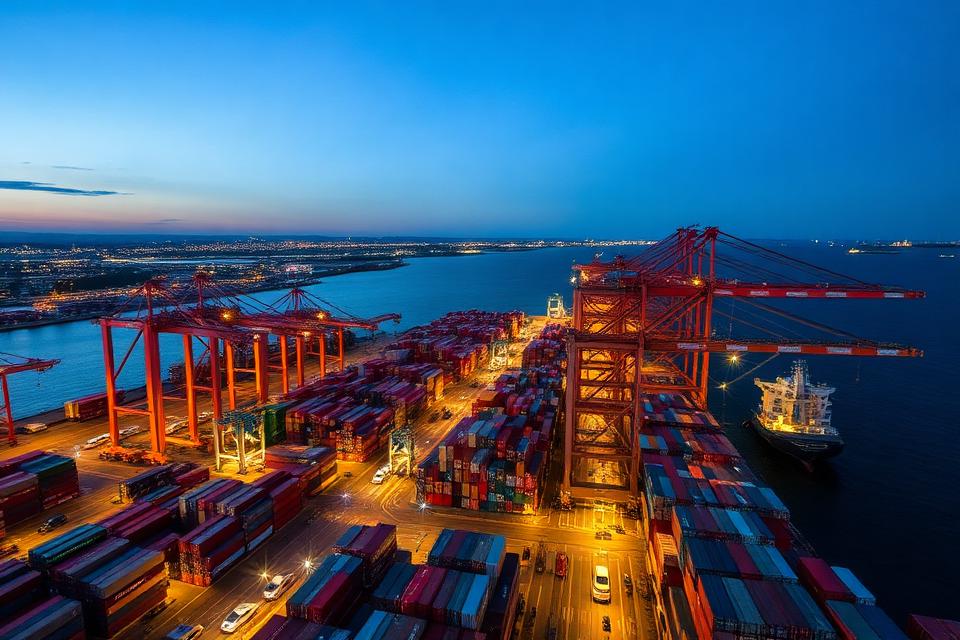
The United Arab Emirates has spent two decades building the infrastructure that makes it a natural distribution point for halal food. Jebel Ali Port and JAFZA in Dubai, Khalifa Port and KIZAD in Abu Dhabi, and a network of free zones with sector-specific incentives give brands the option to base regional inventory in a single location and re-export across the wider region.
Trade agreements are widening the reach
The UAE's Comprehensive Economic Partnership Agreement (CEPA) programme has produced signed or in-force agreements with major halal markets including India, Indonesia and Turkey. For food exporters, these agreements reduce tariff friction on many product categories and reinforce the case for holding regional stock in the Emirates rather than shipping direct to each destination.
A single halal standard, multiple certifiers
The Emirates Authority for Standardization and Metrology (ESMA, now part of the Ministry of Industry and Advanced Technology) operates the UAE.S 2055 halal standard and accredits certification bodies that can issue halal marks recognised in the UAE. Brands entering the market typically choose an accredited certifier as part of their broader Gulf-wide certification plan.