
Traceability is becoming a first-class requirement in halal logistics
Standards such as Malaysia's MS 2400 halal supply-chain series and the growing use of GS1 identifiers are moving traceability from a nice-to-have into a baseline expectation across halal cold chains.
By Food Souq Editorial
Oct 20, 2026 • 6 min read
Halal integrity does not stop at the certification audit. It has to be preserved along storage, transport and retail handling — the operational layer that Malaysia's MS 2400 series of halal supply-chain standards formalised more than a decade ago and that has since influenced regulators across the region.
Standards are converging on documented chain-of-custody
MS 2400-1 (transportation), MS 2400-2 (warehousing) and MS 2400-3 (retailing) set out expectations for segregation, cleaning, staff training and record-keeping. Similar principles are echoed in GSO 2055 across the Gulf. The common thread: operators need to be able to demonstrate, not just assert, that halal status has been preserved end-to-end.
GS1 identifiers give traceability a shared language
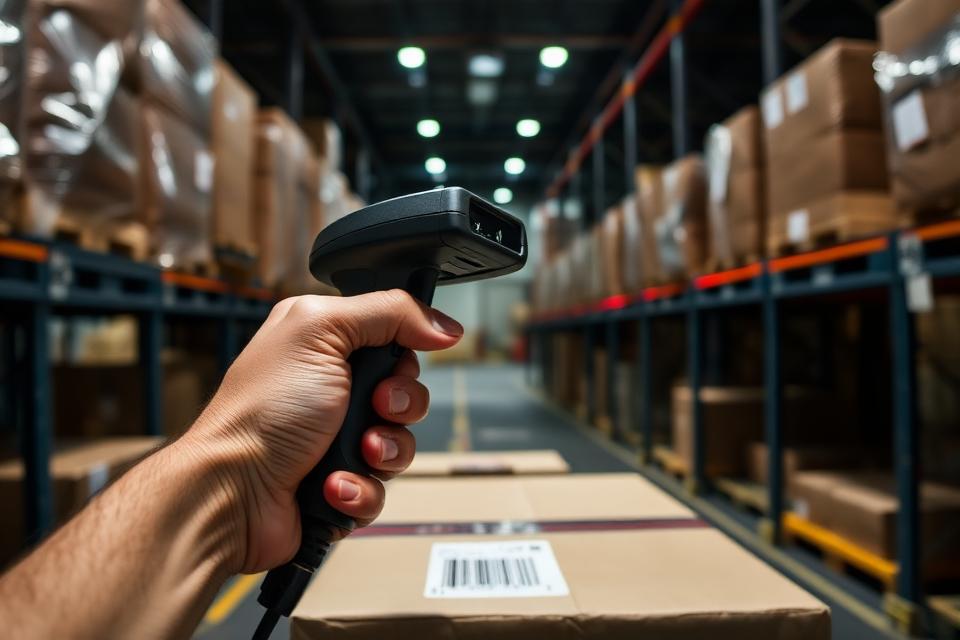
Adoption of GS1 barcodes and 2D codes lets producers, logistics providers and retailers exchange batch-level information consistently. When paired with halal certification data, this makes it far easier to audit a shipment against the certificate that was issued for it.
- Segregation of halal and non-halal cargo across storage and transport
- Documented cleaning procedures after handling non-halal goods
- Batch-level identifiers that link physical goods to certification records
- Trained personnel with responsibility for halal integrity at each handover
For brands, the practical takeaway is that logistics partner selection now warrants the same scrutiny as manufacturing partner selection. A weak link in transport or warehousing can invalidate the certification that everything upstream depends on.