The 2026 halal food outlook: five themes shaping the year ahead
From Indonesia's mandatory certification phases to renewed Gulf investment in food manufacturing, five interconnected themes are defining the near-term trajectory of the halal food industry.
By Food Souq Editorial
Oct 28, 2026 • 8 min read
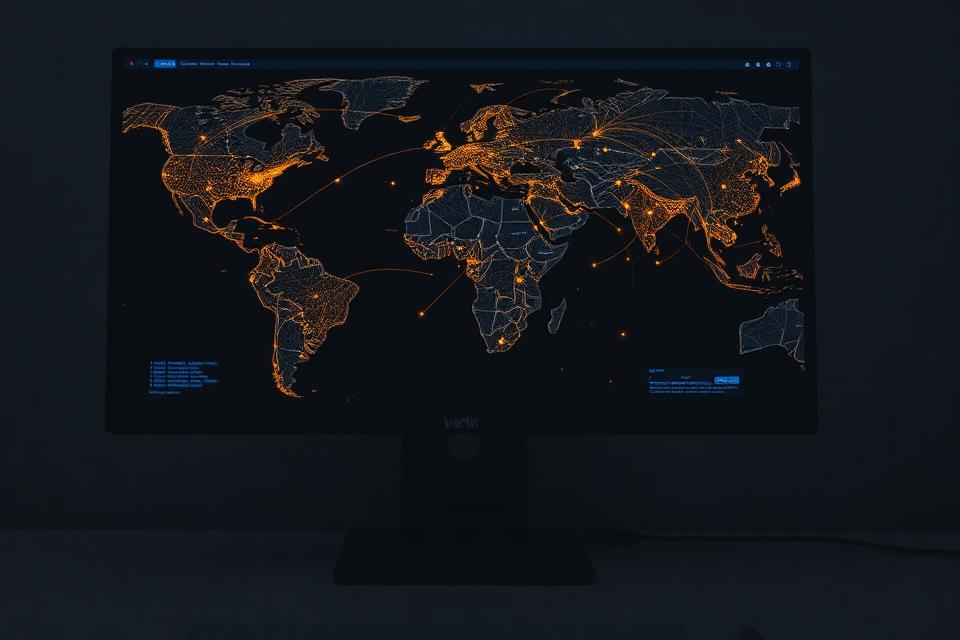
The State of the Global Islamic Economy Report, published annually by DinarStandard, consistently identifies halal food as the largest single segment of the Islamic economy. Looking into 2026, five themes are shaping how that segment is likely to evolve.
1. Indonesia's mandatory certification cycle continues to expand
With food and beverage under mandatory certification since late 2024, the next phases covering cosmetics, medicines and other categories will continue to draw multinationals into deeper engagement with BPJPH and its recognised foreign certifiers.
2. Gulf capital is investing in production, not just import
Saudi Arabia's HPDC and comparable initiatives across the Gulf signal a shift from being purely importing markets to co-manufacturing and brand ownership.
3. Trade agreements are re-drawing distribution maps
The UAE's CEPA programme and similar bilateral efforts are creating new preferred trade lanes between OIC and non-OIC markets.
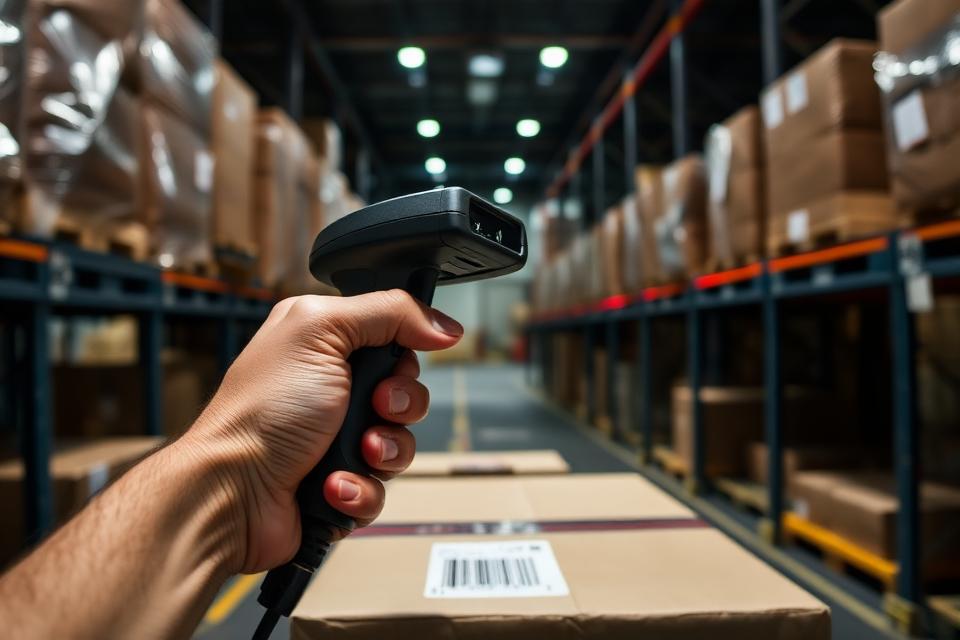
4. Traceability expectations are rising
Regulators and large buyers increasingly expect documented chain-of-custody information alongside certification. Cold-chain integrity and traceability tooling are now competitive factors, not back-office ones.
5. Non-Muslim-majority retail is broadening its halal ranges
European and East Asian retailers continue to expand halal-certified private-label ranges in response to demographic shifts and consumer demand for clearly labelled products.